
Loading…
Find the answer, check the sizing, and plan your next step. Browse by topic or search for your tank.
A practical reef tank equipment list that separates must-have gear from optional upgrades before the first cart gets expensive.
Estimate reef tank startup cost by tank size, reef goal, equipment tier, hidden consumables, and the first 90 days.
Size a reef tank return pump by real GPH after head loss, overflow limits, noise, and sump turnover instead of box rating alone.
Compare all-in-one and sumped reef tanks by setup difficulty, upgrade path, noise, equipment space, cost, and beginner risk.
Check whether your skimmer rating has enough headroom for your tank volume, reef goal, and bioload before you buy or upgrade.
Calculate a practical flow target for soft coral, LPS, mixed reef, and SPS systems without confusing return-pump turnover for coral flow.
Check reef lighting by coral goal, PAR target, and footprint coverage instead of picking a fixture from tank gallons alone.
Size reef tank heaters with enough wattage to hold temperature without creating a dangerous stuck-on failure risk.
A pre-buy reef tank checklist for catching weak gear, missing essentials, and expensive mismatches before checkout.
A practical reef cycling timeline that separates ammonia processing, testing confidence, and stocking readiness.
Lower reef nitrate with feeding control, water changes, export capacity, and patient trend tracking.
Reduce reef phosphate without stripping nutrients too quickly or destabilizing corals.
Diagnose common reef algae causes by light, nutrients, source water, flow, stocking, and maintenance.
Tell cyano and dinoflagellates apart before changing nutrients, flow, lighting, or treatment strategy.
Set up an auto top off system around salinity stability, reservoir size, sensor safety, and failure modes.
Use a reef controller for real safety: heater cutoff, alerts, pump control, and monitoring without replacing husbandry.
Clean reef mechanical, chemical, and biological filtration on a schedule that protects stability.
Plan RODI water around source-water risk, filter stages, storage, TDS checks, and algae prevention.
Keep reef salinity stable with ATO, calibrated testing, RODI water, and water-change discipline.
Plan alkalinity testing, demand tracking, water changes, and dosing without chasing daily noise.
Start reef dosing only after testing shows repeatable demand from coral growth.
Choose a reef water-change schedule based on tank size, nutrient trend, dosing demand, and stability.
Place corals by light, flow, aggression, growth shape, and room for future colonies.
Build a beginner stocking order around cycling, aggression, bioload, maturity gates, and coral readiness.
Size a reef cleanup crew by tank maturity, algae type, food availability, and compatibility.
Plan beginner fish quarantine around observation, ammonia control, stress reduction, and display protection.
Understand marine ich response options, quarantine limits, display fallow planning, and why reef-safe shortcuts fail.
Decide anemone readiness by tank maturity, light, flow, pump protection, and stability history.
Choose a first reef tank size by stability, budget, equipment fit, floor load, and livestock ceiling.
Understand reef lighting by PAR, coverage, spread, spectrum, schedule, and coral goal before buying LEDs.
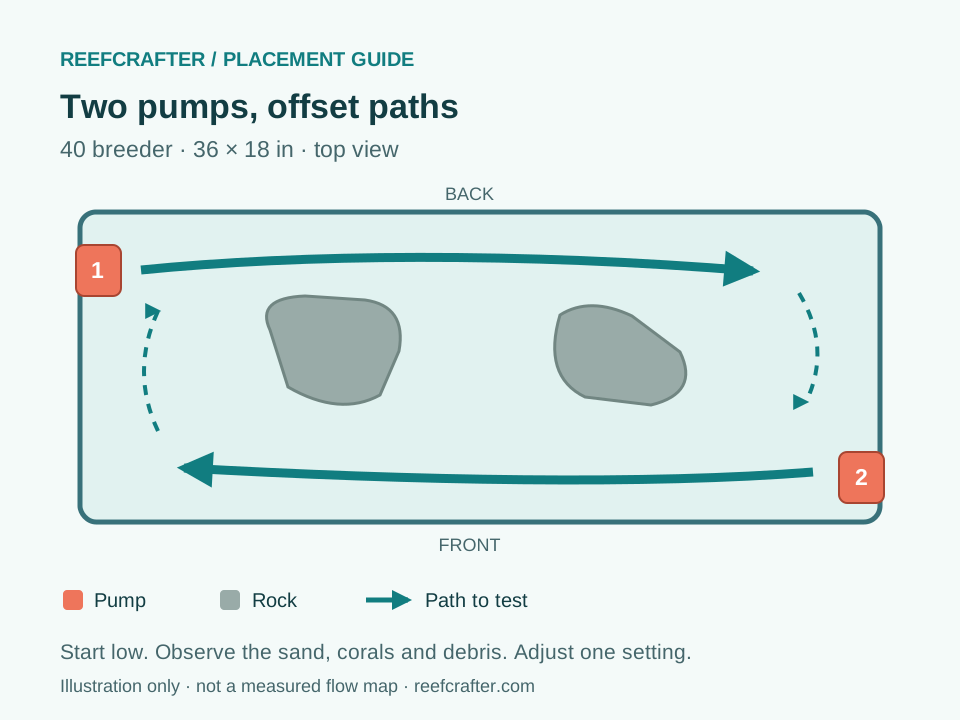
Start with an open path across the tank, then adjust pump position to the rockwork, sand and coral response. These layouts give you a starting point to test.
Plan flow zones for SPS, LPS, and soft corals without treating the whole tank as one average number.
Build a reef maintenance schedule for daily observation, weekly testing, water changes, filter cleaning, and monthly gear checks.
Have a correction or a question we haven’t covered? Send guide feedback.