
Loading…
Every matchup stays attached to gallons, reef goal, rule thresholds, risks, and planner handoff, so the winner is the one that fits your build, not the loudest brand.
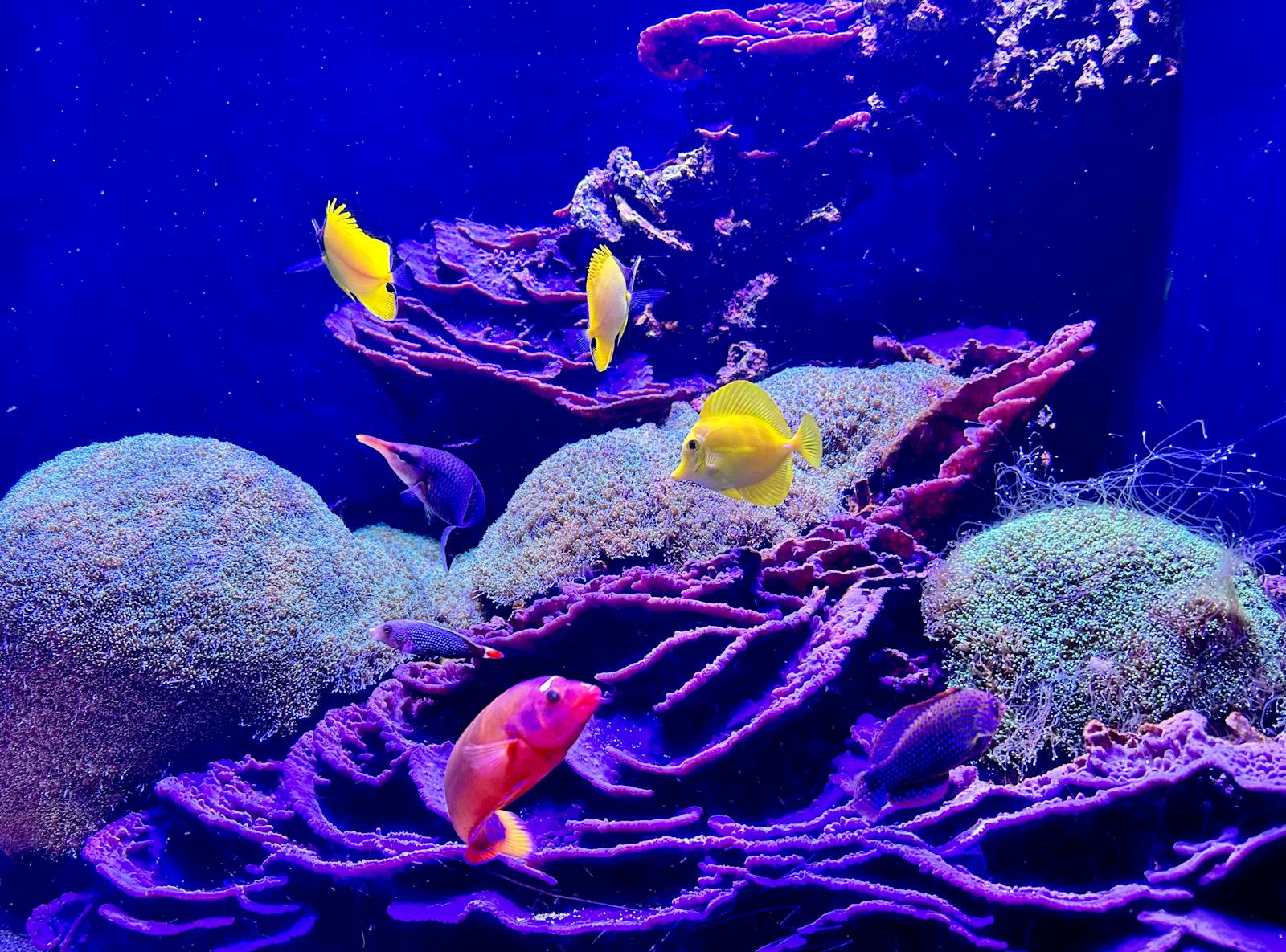
Use the Prime for smaller or budget-conscious footprints; use the A360X when shimmer, spread, and upgrade headroom matter more.
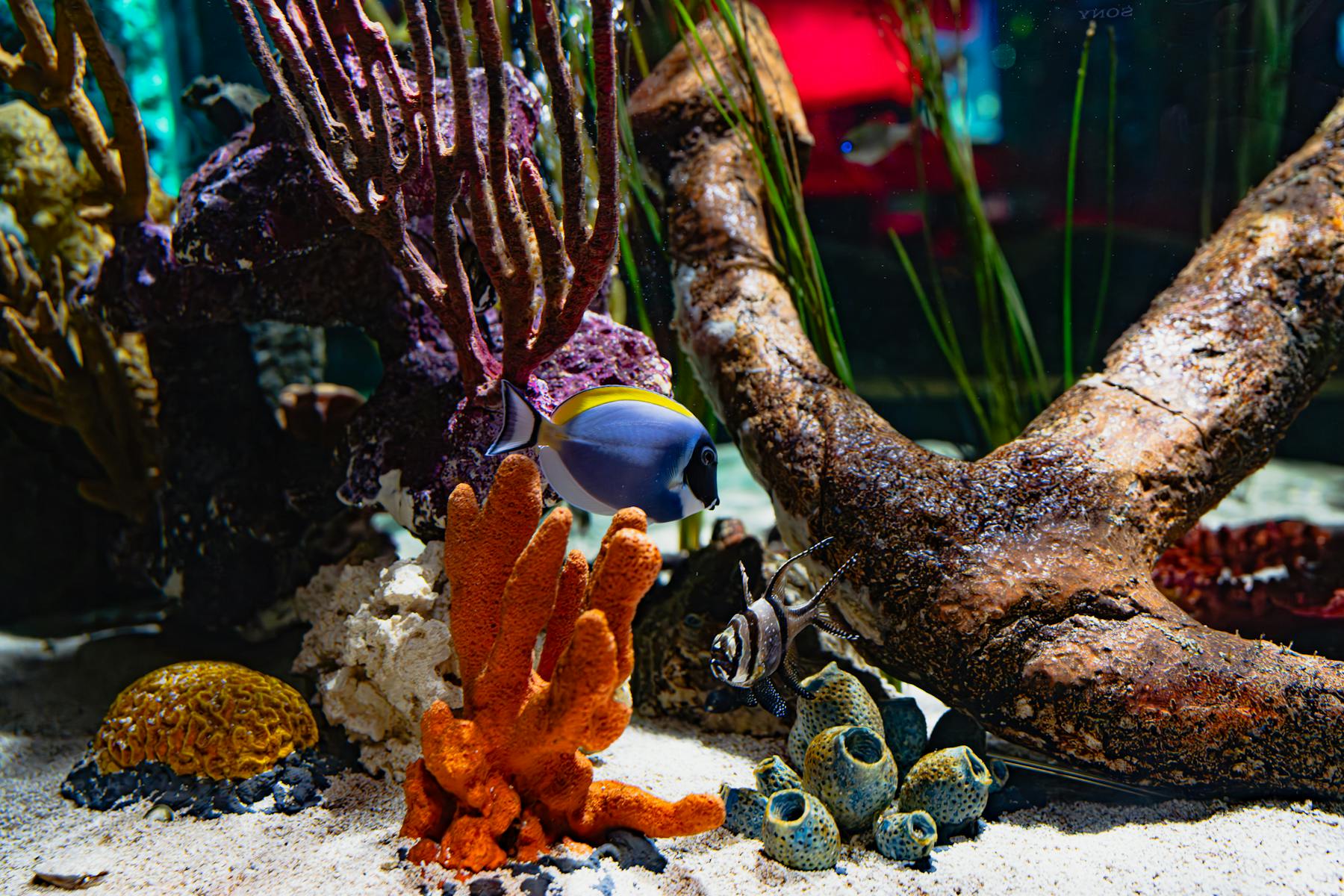
Choose XR15s when modular coverage and spacing are the priority; choose XR30 when the footprint benefits from a larger fixture and premium output.
The original Quantum 160 has the smaller published footprint. The Classic 150INT calls for shallower sump water. Choose only after checking the complete service space and the livestock load; neither brand name nor maximum gallon rating settles the decision.
Use the MP40 when external motor design and high-flow headroom matter; use Nero 5 when compact in-tank control fits the budget and glass thickness.
Gyres are strong for sheet-like cross-tank motion; powerheads are easier to aim into varied intersecting flow zones.
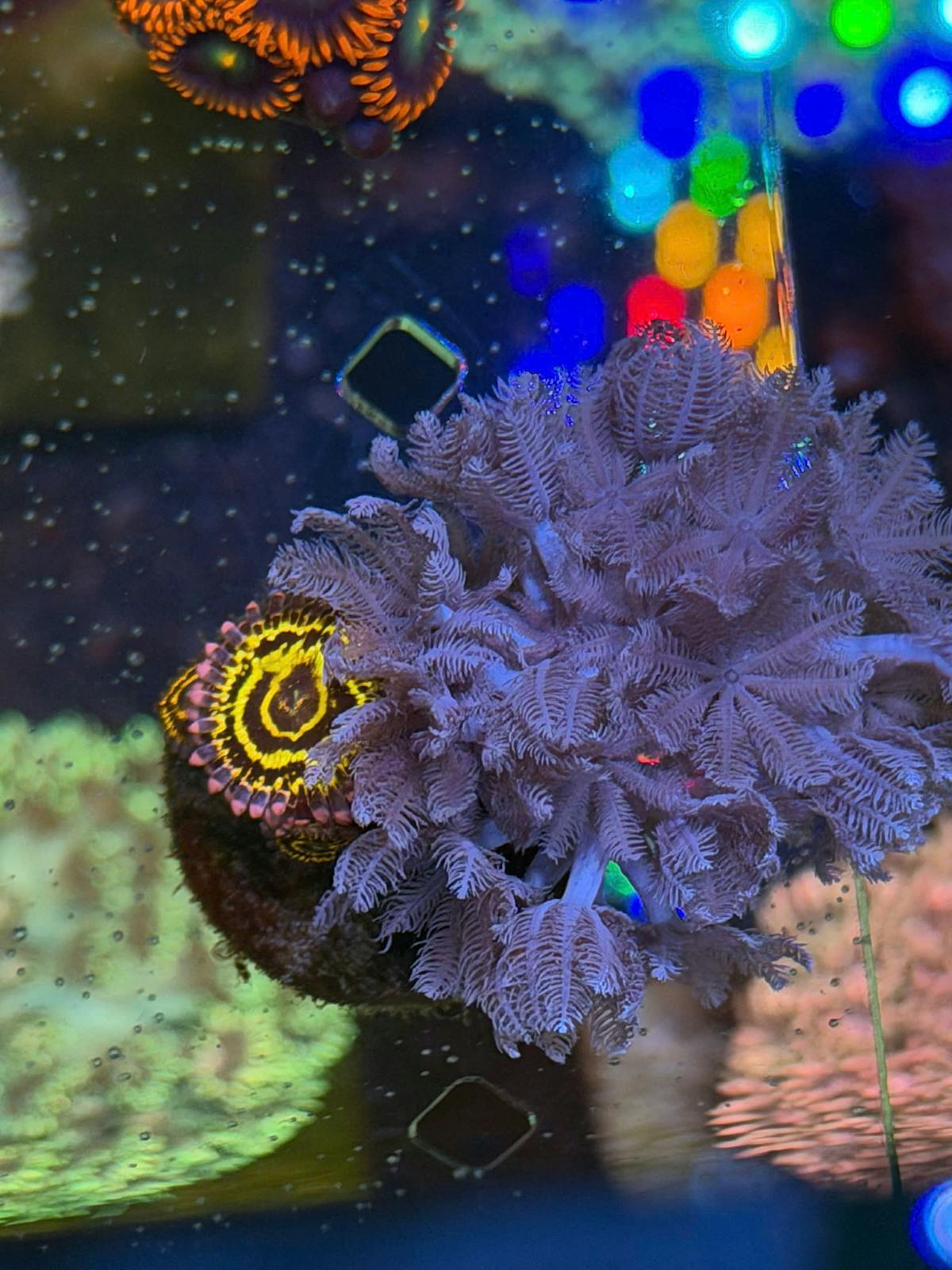
AIO tanks simplify launch and space; sumps win on service room, gear flexibility, and long-term upgrade path.
Choose the controller ecosystem by the risks you need to control: temperature, leak, dosing, pump control, alerts, and future expansion.
Eheim can work for simple builds; titanium/controller-backed systems make more sense when failure margin and redundancy matter.
Sicce often fits reliable value builds; Vectra fits controllable premium systems where app control and headroom matter.
Compare footprint, stand access, sump layout, included gear, and upgrade path before choosing either tank ecosystem.
Use source-water quality and filter replacement cost to decide whether the extra stage buys real stability.
Soft and LPS plans are more forgiving; SPS plans demand stronger light, flow, testing, dosing, and patience.