

Loading tank templates…
Tank templates
Start from a reef that knows its limits.
Curated builds you can use as a starting point: nano all-in-one to full-size SPS. Pick one, customize the tank, livestock, gear, and budget, then check out at any vendor.
Vetted templates
Open a complete build, then customize
Every template is checked against the live rule engine: see how findings are computed. Templates run hardware checks; livestock-specific checks fire in the planner once you customize.
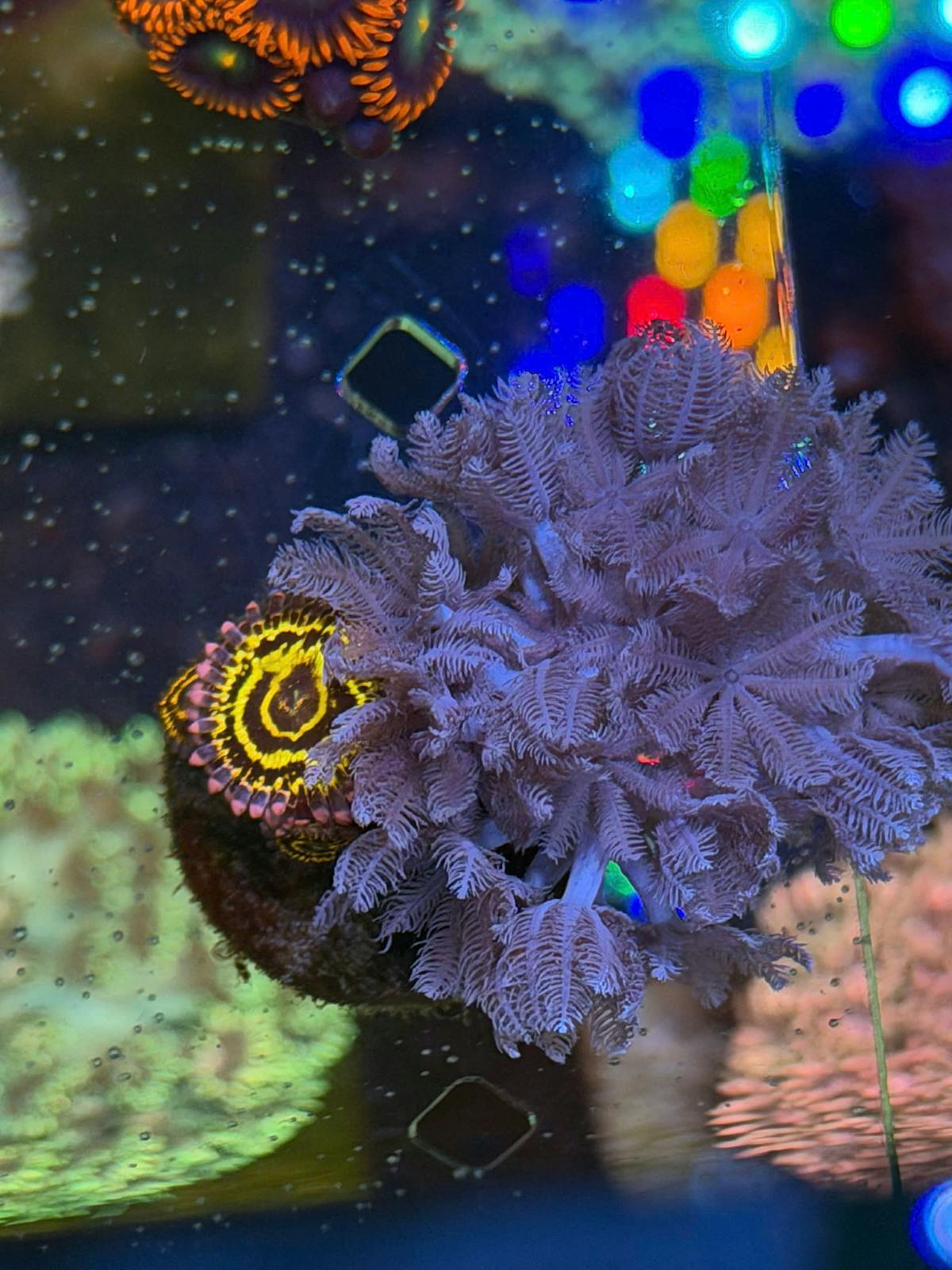
20 gal · softie
Nano AIO Softie Starter
A 20-gallon cube AIO is the kindest first tank: small enough to be cheap to fill, big enough that water chemistry is forgiving. Soft corals are the right starting livestock — they tolerate the parameter swings beginners cause.
Open template →
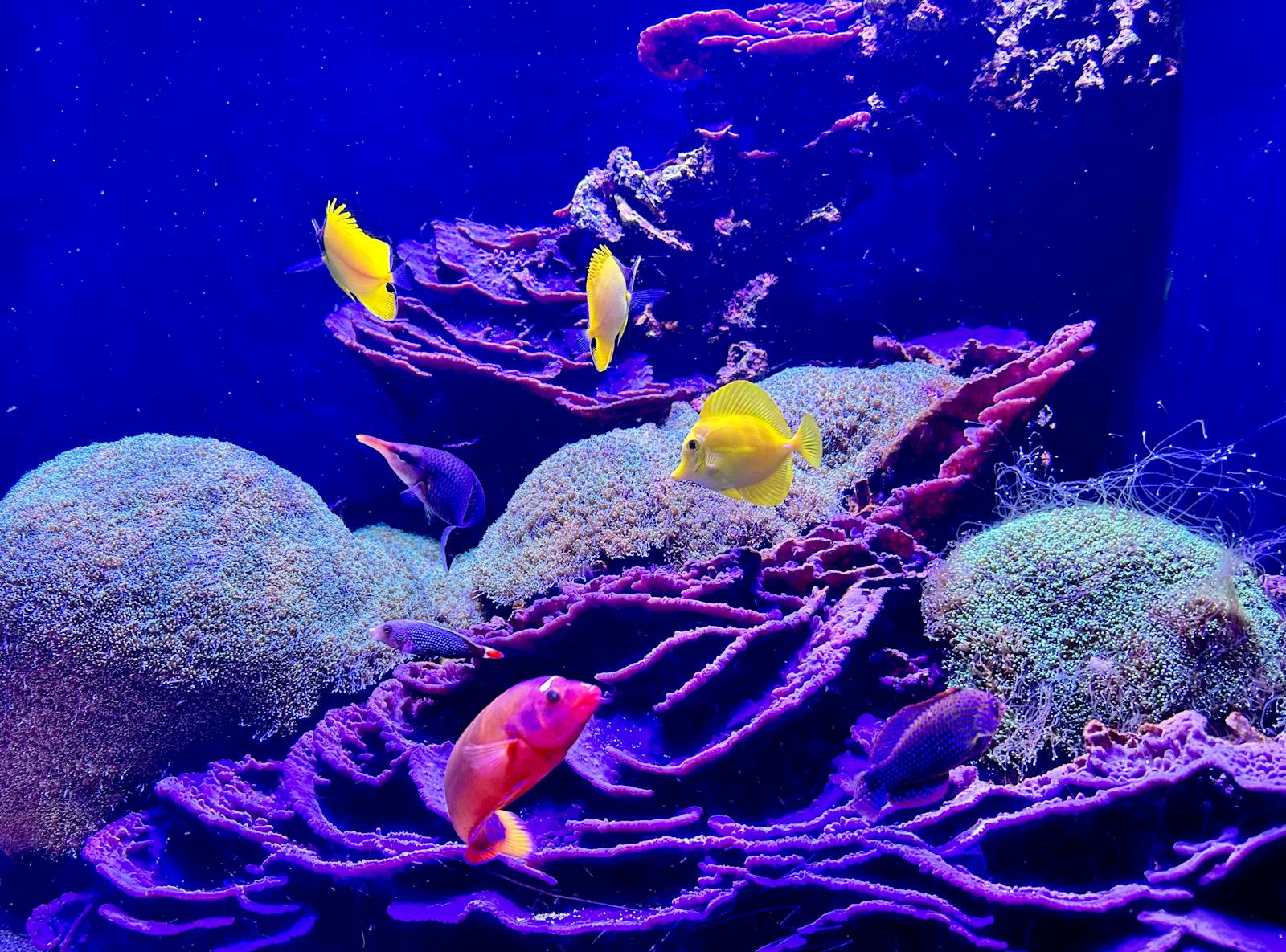
32 gal · mixed reef
BioCube 32 Mixed Reef
The classic budget mixed-reef AIO. Comes with stock lighting and pump. Add a heater, an ATO, and you're running. Best for softies, LPS, and easy SPS along the top of the rock.
Open template →
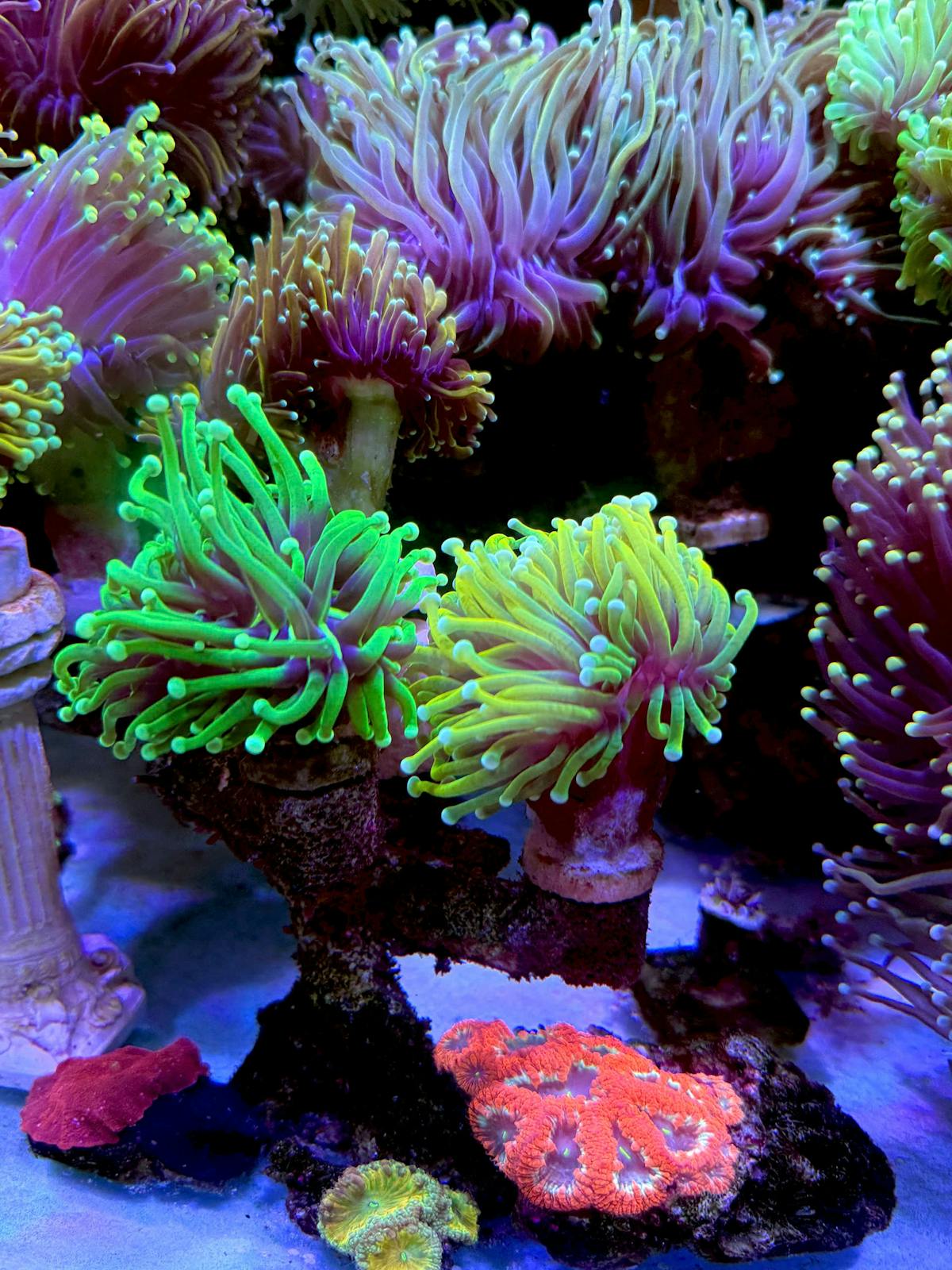
36 gal · lps dominant
Waterbox MARINE X 60 LPS Reef
A 36g sumped reef sized for LPS dominance: lower PAR targets, gentler flow, room for big-polyp showpieces like euphyllia, scoly, and acan. Sumped form factor lets the gear stay out of sight.
Open template →
42 gal · mixed reef
Reefer 200 Mixed Reef · Balanced
A mid-size sumped Reefer is the real bridge from beginner to intermediate. You learn plumbing, you learn skimming, and you have room for fish without crowding. The 42g volume is forgiving.
Open template →
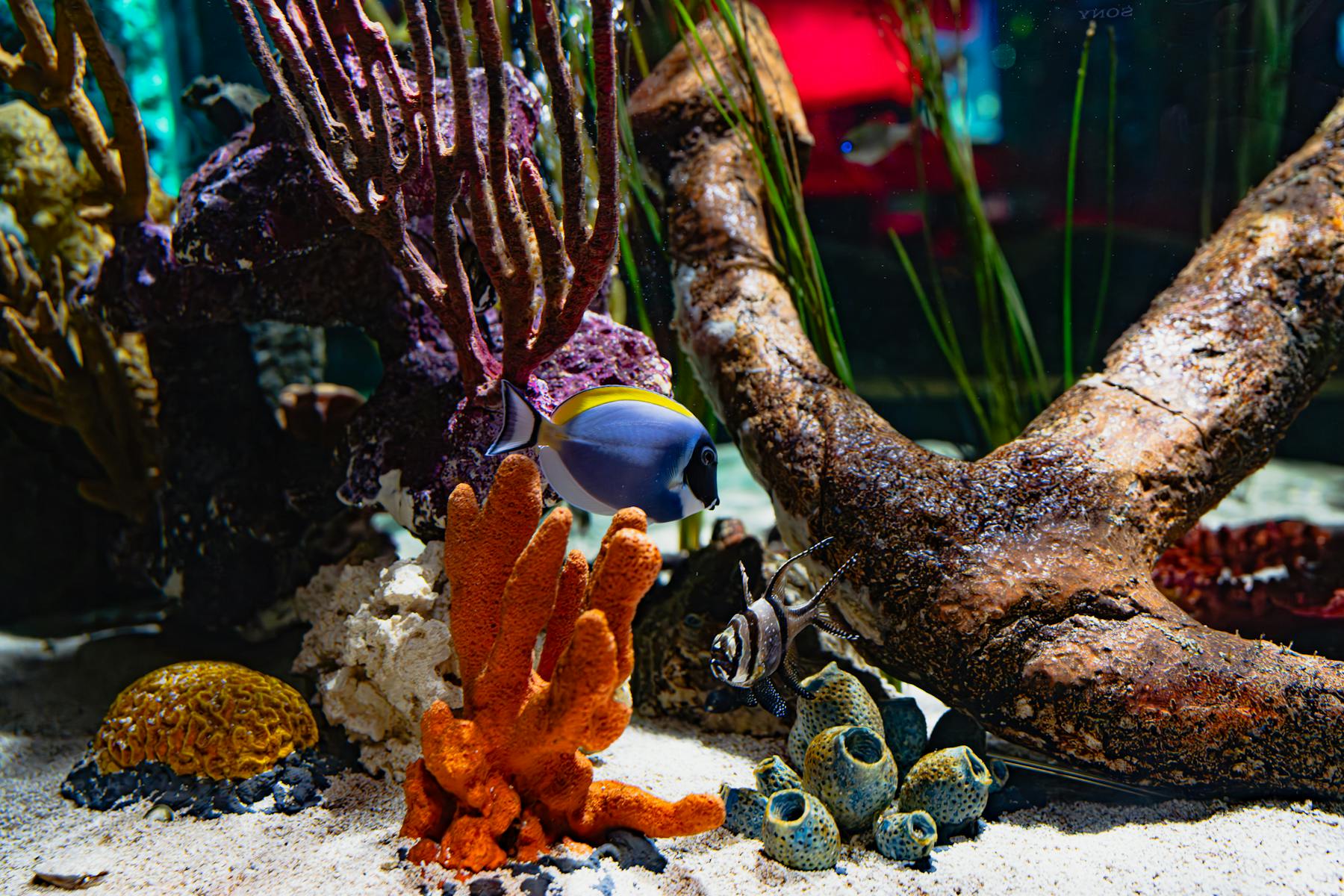
60 gal · sps dominant
CADE 600 SPS Dominant · Premium
A 60g SPS-dominant cube needs higher PAR, stronger flow, and tighter parameters than most tanks. CADE's build quality and integrated overflow set the right foundation. Premium gear all around.
Open template →
72 gal · mixed reef
Reefer 350 Mixed Reef · Balanced
The most-recommended sumped reef on Reef2Reef for a reason. 72 gallons is the sweet spot for a mixed reef with a healthy fish list and room to grow into SPS along the top of the aquascape.
Open template →
73 gal · mixed reef
Reefer Peninsula 350 · Balanced
Peninsula format means the tank is viewable from three sides — great for room dividers and showpieces. Lighting and flow need a little extra thought; this template handles both.
Open template →
145 gal · sps dominant
CADE 1200 SPS Showpiece · Premium
A premium 145g SPS-dominant build for the reefer who's been doing this for years. Designed for full Acropora gardens with strong flow zones, redundant heating on independent controllers, and dosing automation.
Open template →
Search-ready build plans
Start from tank size or reef goal
These pages turn common reef searches into checked assumptions: gallons, goal, budget tier, heater band, flow, light coverage, and planner handoff.
20 gal · budget tier
Nano reef tank setup
Nano reefs can be beautiful first tanks when the plan stays simple and the stability gear is not skipped.
Open build plan →
20 gal · budget tier
20 gallon reef tank setup
A 20 gallon reef is a good first soft-coral target if the fish list stays modest and evaporation is controlled.
Open build plan →
32 gal · balanced tier
32 gallon AIO reef tank setup
A 32 gallon AIO is a friendly size for a first mixed reef, but the rear chambers decide which skimmers and upgrades actually fit.
Open build plan →
40 gal · balanced tier
40 gallon reef tank setup
A 40 gallon reef gives more stability than a nano while staying small enough for a disciplined first build.
Open build plan →
55 gal · balanced tier
55 gallon reef tank setup
A 55 gallon reef crosses the line where heater redundancy and better equipment headroom start to matter more.
Open build plan →
75 gal · balanced tier
75 gallon mixed reef build
The 75 gallon mixed reef is ReefCrafter's best proof point: enough room for a real reef, but enough complexity to punish mismatched gear.
Open build plan →
90 gal · balanced tier
90 gallon reef tank setup
A 90 gallon reef has enough volume for stability, but the sump, return pump, light count, and skimmer all need to agree.
Open build plan →
120 gal · premium tier
120 gallon SPS reef build
A 120 gallon SPS build is a stability project first and a coral shopping list second.
Open build plan →
32 gal · budget tier
Budget reef tank build
A budget reef works when the livestock goal is disciplined and the savings come from optional upgrades, not stability gear.
Open build plan →
120 gal · premium tier
Premium reef tank build
Premium gear only matters when it buys stability, redundancy, usable control, or a cleaner path to demanding livestock.
Open build plan →
32 gal · balanced tier
Beginner reef tank build
The best beginner build is not the smallest possible reef; it is the one with enough stability margin to forgive normal learning.
Open build plan →
75 gal · balanced tier
Mixed reef tank build
A mixed reef is popular because it does everything. It is risky for the same reason: the gear has to satisfy several animals at once.
Open build plan →
120 gal · premium tier
SPS reef tank build
An SPS reef is not just a stronger light. It is a full stability stack: light, flow, chemistry, export, and patience.
Open build plan →